 Data Analytics: From Overwhelmed to Actionable



How do you deal with an irate resident?
The absolute worst thing you can do is immediately start citing what the lease says.
All three of these from Isabella is gold, but my go to has always been the first.
Ask if it’s ok to take notes so you fully understand the situation, sit down, and just listen.
Yes, you may already know the answer, so it’s incredibly tempting to immediately provide that, especially since you have a ton of other things you...
Show more

I certainly understand there can be a significant price increase for not giving sufficient notice but going from $1800 base rent to $9,500 is absolutely absurd.
What are your thoughts?
Read More...


Short of it, though they’ve priced their market you have complete free choice. Either it’s worth it to you at that rate to stay or move and find another place that is worth it to you.


We listen and we don't judge: Multifamily edition 🤣

We listen and we don't judge...
I've nodded along for a full 10 minutes while a manager confidently explained their fire system to me completely wrong and all I said was "interesting."
Your turn vendors AND property managers, drop your confessions below. We listen and we don't judge.
We listen and we don’t judge…
…But then we educate and re-direct 😂
We listen and we don’t judge 🤣🤣🤣🤣
In my head, I’d be like, ‘That’s great, because I have no idea what I’m talking about.’

A surprising number of platforms do not surface availability in the code. Just because you see availability doesn't mean that the AIs can. Also beware of AI audits. They can surface problems that don't really exist. For example, if you're using JavaS

You are definitely not the only one! I only know to try to "kill the customer with kindness" and be really kind in how you say anything, even telling someone you have to evict them, and be willing to say you're sorry - not that you DID anything wrong, but you're sorry they have the circumstance, or...
Read More...

Agree! We have to laugh (or we'll cry - something like that! ha!). There is a scientific reason too: "Laughter boosts workplace productivity by up to 12% and reduces stress hormone (cortisol) levels by over 30%." Source: National Institutes of Health
You are speaking my language! Ronald Harrington, Latrice Leakes, and I did an Apartmentalize session on this exact topic!! Great insight.
One would think we are back to healthy, but this is a revenue-based chart, not an NOI chart. And we all know what happens when we layer expenses on this graph.
Always enjoy your posts,
Trey
.

Source
Read More...

There is a giant trend in multifamily happening right now, which is the rise of consultants and fractional executives. The opportunities can be amazing, but the challenges are not small, either. Suddenly, one is in a new role of marketing themselves to generate business, and now that business has many more "bosses".Two amazing people came together to talk about the in's and out's of going solo, Dana Pate of Stitched Marketin ...

I’m gobsmacked! I just saw the future of leasing, and it’s their bots talking to ours.
I decided to shop several properties onsite, but instead of going to their ads or websites, I simply asked Meta’s Muse to set everything up for me.
My happy AI assistant opened its own browser, scheduled my first appointment, then lined up comparable properties with pricing, reviews, amenities, and move-in vs. monthly costs.
Email confirmations started...
Show more
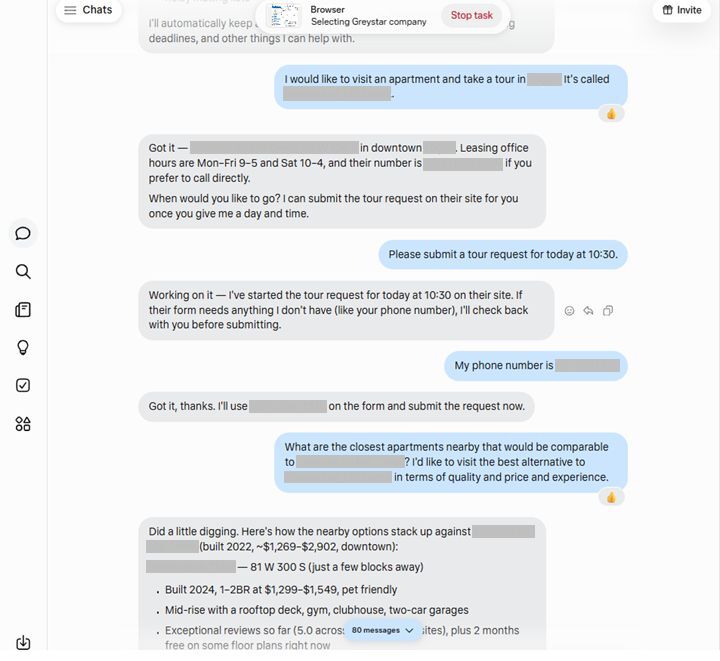
What part of the process did you trust? What didn’t you?
Would love to download with you on your experimentation,


For years, many affordable housing operators have treated HUD inspections the way a homeowner treats a dentist appointment: something to prepare for right before it happens, not something to think about in between. That approach is about to get considerably more expensive.What's changing in NSPIRE scoring on October 1, 2026Starting October 1, 2026, HUD will begin applying point deductions under the National Standards for the Physical Inspection o ...


The Most Expensive Phone Call in Commercial Real Estate Is the One You Don't TakeIn more than 30 years in commercial real estate, I've been on both sides of the recruiting call. I've been the broker getting courted, and I've been the one picking up the phone to recruit talent.Here's what I've learned: The brokers who say, "I'm happy where I am, no thanks," before hearing a word are often the ones who end up leaving money, growth, and options on t ...

Looking for renter's insurance company that integrates with Appfolio.
Read More...


We order from HD Supply & Chadwell. They both support our company retreats and they are both a part of the local apartment associations here.
Lowe’s, Amazon and Home Depot - never cause there are no benefits to our company.
You should support the ones who support you and the betterment of your company - not your personal preference, not the one who gives you personally gifts.


Renters in every single one of the 50 largest U.S. metros are paying less than buyers this month. Zillow just put a number on it: $12,792 a year.
The gap isn't just wide. It's widening fast. Buyer costs rose $140 over the last six months. Rent rose $32. That's a structural shift, not a snapshot.
For anyone financing SFR, build-to-rent, or multifamily, that's a real demand signal.
But the number leaves out half the ledger. A mortgage payment...
Show more

-
 07 Oct
Event starts in:


